What I’m Doing at Kirkus This Week,
Plus What I Did Last Week, Featuring Paul O. Zelinsky
 Thursday, September 29th, 2011
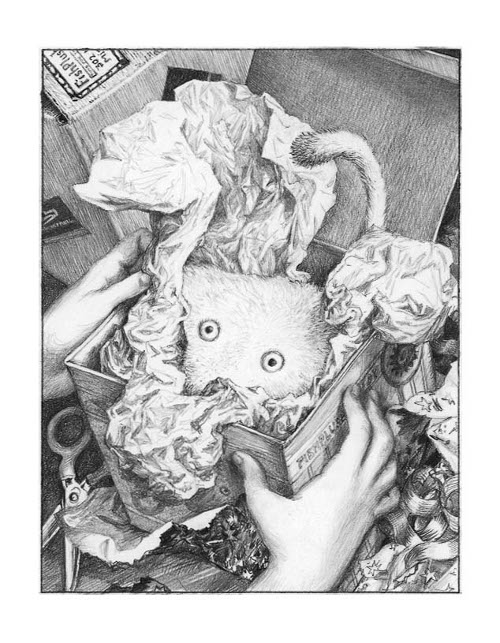
A kid smiles down at her. StingRay smiles back.”
Tomorrow morning over at Kirkus, I’ll have a Q & A with author Catherynne M. Valente about The Girl Who Circumnavigated Fairyland in a Ship of Her Own Making, one of this year’s most talked-about children’s novels. Two local friends and fellow children’s lit aficionados joined me on this interview. (The questions they contributed are way better than anything I could ever conjure up.) An abbreviated version goes up at Kirkus tomorrow, and next week at 7-Imp, I’ll have the interview in its entirety — along with some of the book’s illustrations from Ana Juan.
The link will be here tomorrow. {Ed. to add on Friday: The link is here.}
If you missed last week’s column, I wrote about Emily Jenkins’ latest set of stories about StingRay, Lumphy, and Plastic — Toys Come Home: Being the Early Experiences of an Intelligent Stingray, a Brave Buffalo, and a Brand-New Someone Called Plastic, released by Schwartz & Wade this month. That column is here.
Opening this post is an illustration from the book from Paul O. Zelinsky (who visited me for breakfast in 2008 with one of my favorite breakfast interview photos EVER). Paul is also sharing one more image below, a sketch page showing possible images for Toys Come Home, which he submitted to The American Booksellers Foundation for Free Expression’s online children’s book auction. This is an auction of children’s art that culminates during Banned Books Week (September 24 to October 1).
 If you missed
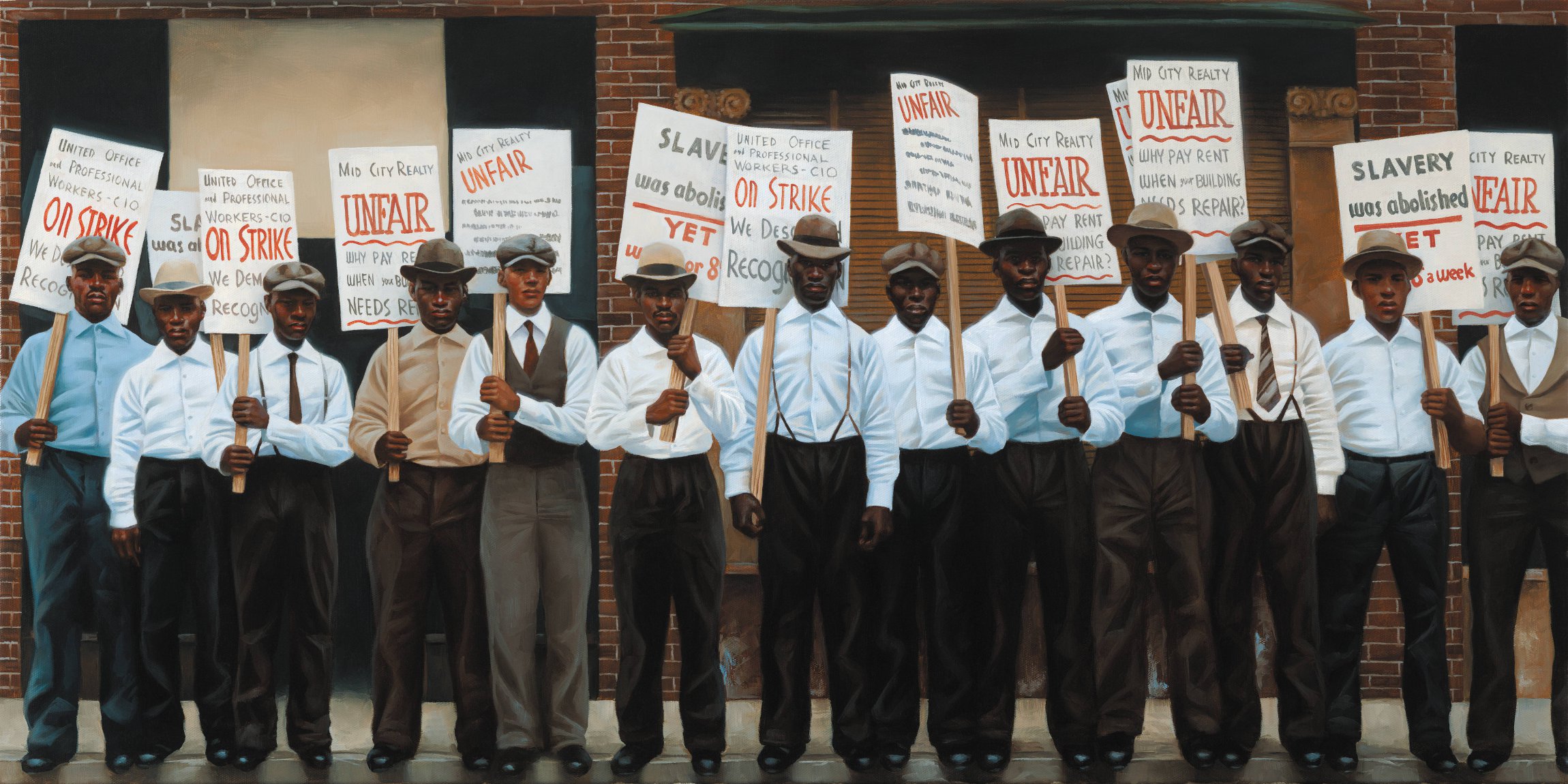
 The book takes on nothing less than African American history from the founding of America to Barack Obama’s Democratic nomination for President. Actually, I didn’t have enough coffee before breakfast today and I take that back: Nelson, as noted in the book’s closing timeline, goes back in the first chapter (“Declarations of Independence”) to 1565 when Africans first arrived in North America as slaves of Spanish colonists. An elderly African American female serves as the book’s narrator—“You have to know where you come from so you can move forward…it’s important that you pay attention, honey, because I’m only going to tell you this story but once”—and she takes us back to when her own grandfather, Joseph (“Pap”), was captured in Africa in the year 1850 at the age of six and brought to America.
 These spirals in nature are the focus of the latest picture book from poet and author
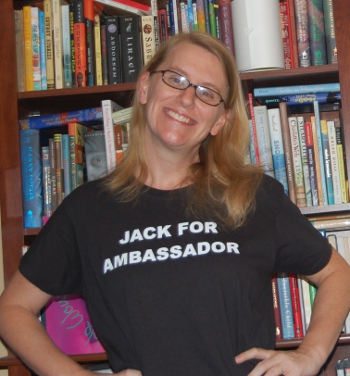 See my special tee shirt that I’m wearing today for a special reason? And I’m wearing it in solidarity this morning with two other friends, sportin’ the exact same haute couture. What in the actual what the? you may be wondering. Let me explain.