Illustrator Rafael López on The Day You Begin
 Wednesday, September 26th, 2018
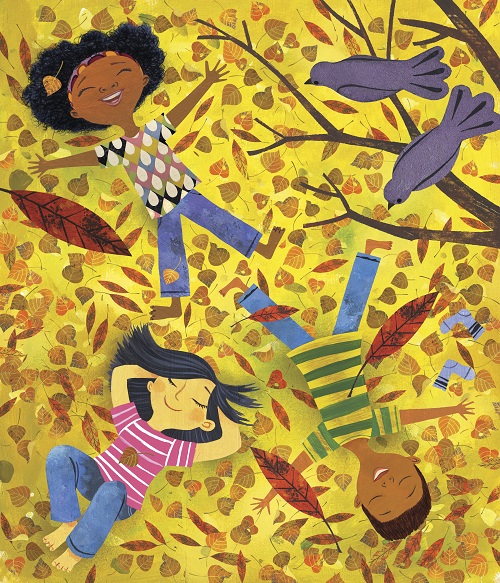
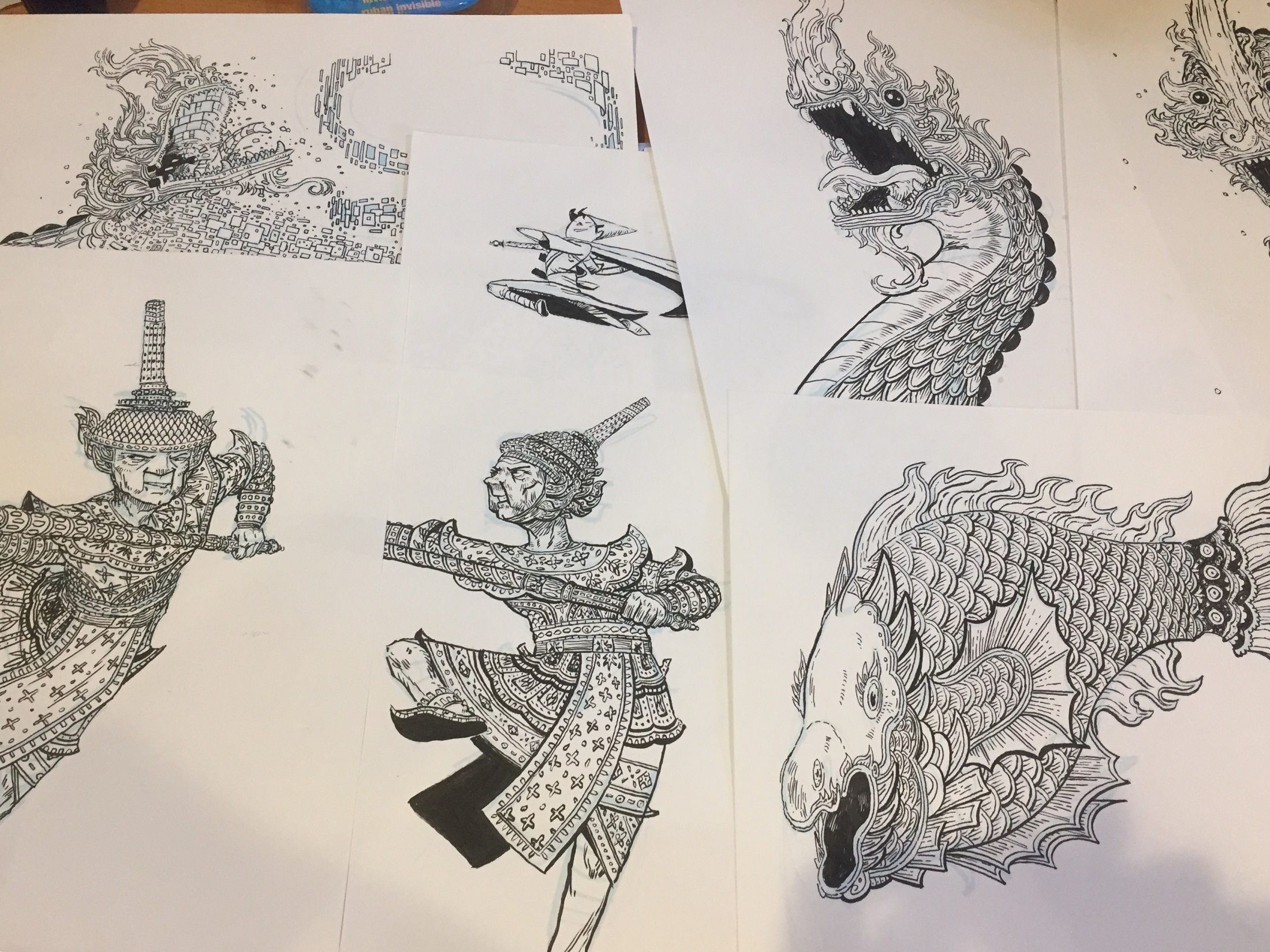
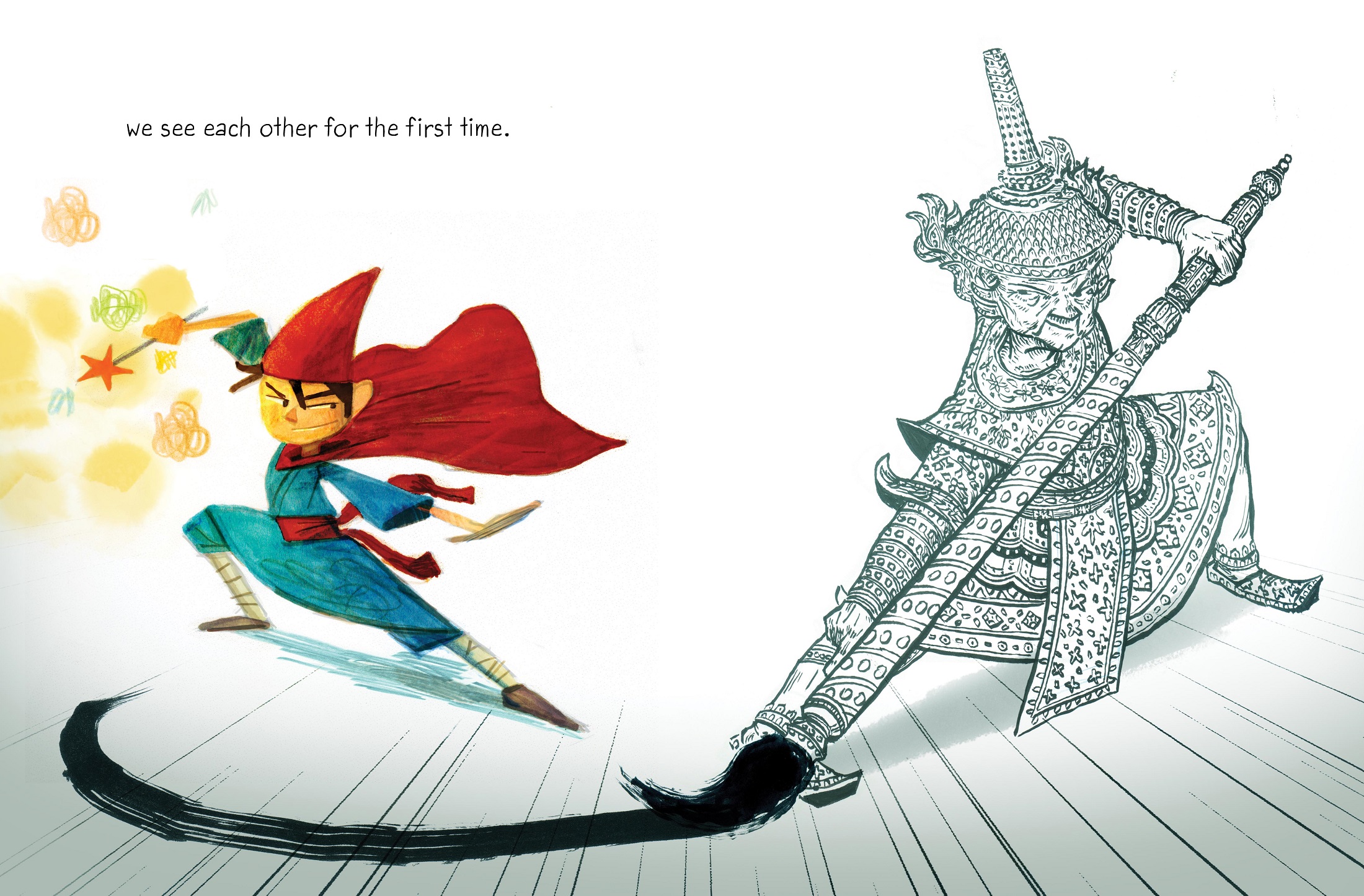
Illustrator Rafael López visits 7-Imp today for an art-filled discussion about his illustrations for Jacqueline Woodson’s The Day You Begin (Nancy Paulsen Books, August 2018). I mentioned this book in a recent Kirkus column as being a wonderful back-to-school title, but it’s a book to share with children any day of the year, this story of how our differences make us special. Centered in a school room, readers meet Angelina. “There will be times when you walk into a room,” the book opens, “and no one there is quite like you.” It’s a story of making connections and finding one’s voice, but it’s more, as Rafael explains below. It’s about accepting people as they are.
Let’s get right to it, since Rafael shares so generously below. I thank him for sharing today. (If you want more of Rafael’s art, his 2011 breakfast interview here at 7-Imp is one of my favorites.)
 “The best I can describe it would be to tell you it was like the scene in Harry Potter and the Order of the Phoenix where Professor Umbridge punishes Harry by making him write lines over and over with a Blood Quill. Every time Harry writes something on paper, the words get seared into the back of his hand. So there were moments when it was painful and difficult to make this book. My beautiful studio space would get transformed into that small kitchen in Worcester where difficult moments played out. That being said, there were also many wonderful moments to relive. Those scenes brought me great joy, and when the book was finished, I sort of had to mourn the loss of my grandparents all over again. It was truly a gift to spend that time with them again.”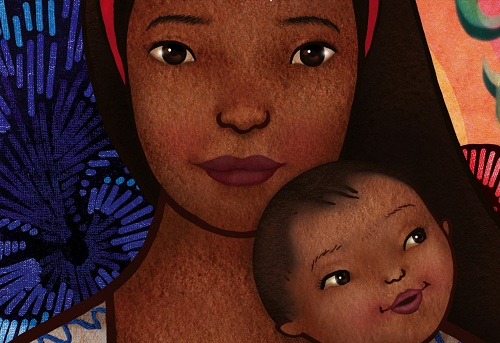
 “[V]isiting Greece underscored the human scale of the tragedy. It was happening to ordinary men, women, and children, no different than my family and neighbors. The visit left me determined to tell the refugees’ story with both accuracy and sympathy. They don’t deserve less.”
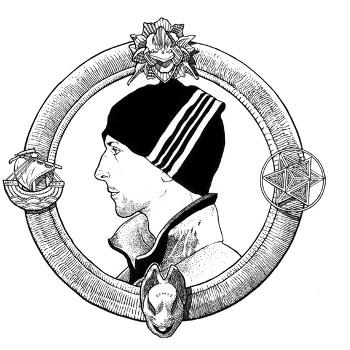 “I love working in full color, but I considered that this story would be better told in black and white, because it would give more emphasis to textures. Animus is about looking at things which are very familiar more closely, or in a different way (tree bark, stones, insects), so this was both a practical and esthetic choice. ”