Cristiana Clerici’s International Spotlight #5:
An Interview with Spanish Illustrator, Javier Zabala
 February 24th, 2011 by jules
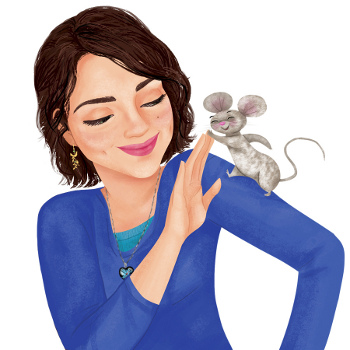
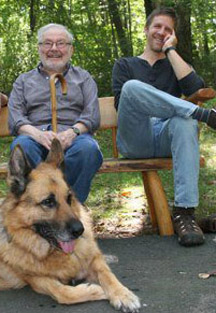
 Jules: It’s time to welcome again the very smart Italian blogger with kickin’-good taste, Cristiana Clerici (pictured here), for another spotlight on international illustration. Today, she’s interviewing Spanish illustrator Javier Zabala, who talks about his work, his teaching, how his mother’s impromptu drawing competition when he was a child led to his career as an illustrator, what having courage means when working in the field, what it means to work “open-heartedly,” and much, much more. As always, I love that Cris stops by here to show me and 7-Imp readers what is happening in contemporary picture books over in Europe. To get the low-down on what I’m calling Cristiana Clerici’s International Spotlights, visit this page of the site. I thank her kindly for contributing today. I shall kick back with my coffee and take in their conversation. (And I would like to know if Javier’s ever been told he looks like Nathan Fillion, but see why it’s better for Cris to be in charge of these interviews?)
Without further ado, here is Cris. Enjoy.
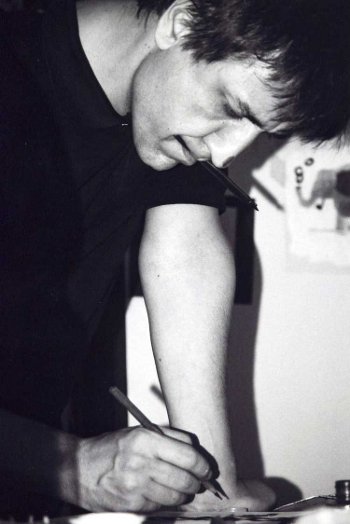 Cris: Complete with mischievous glances and easy-going conversations, often enriched by the expression “hombre,” Javier Zabala embodies all the Spanish pleasantness and the professionalism that only a great artist has when it’s time to open up to others — with humility and generosity.
I met Javier in Macerata, during one of the courses he does with Ars In Fabula — Fabbrica delle Favole, where I was allowed to observe him at work with his students. What mostly struck me about him is the mixture of empathy and severity he keeps during his classes, as much as in his private life he wisely mixes sensitivity and humor, shyness and gushiness.
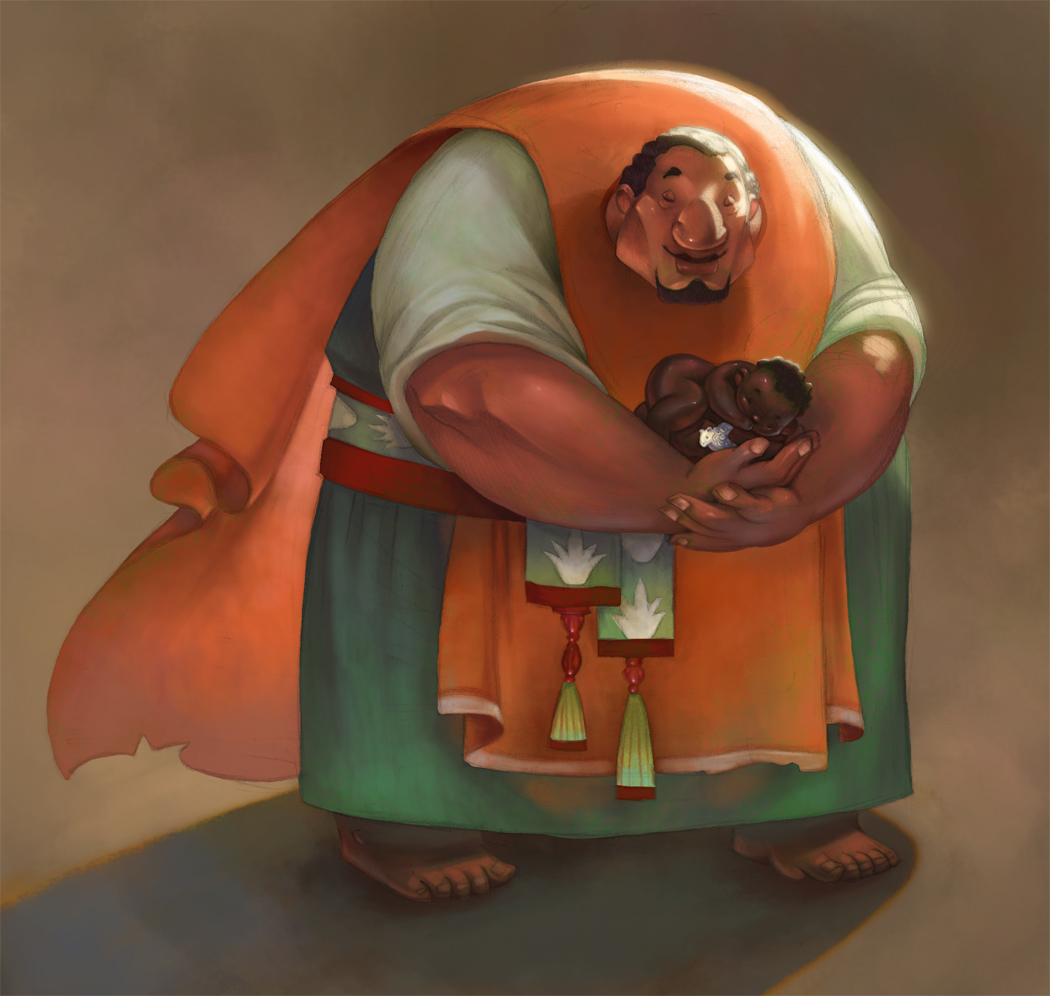
These qualities shine through in his artwork as well, with all its little curious references, its wisely-balanced colours, its characters sketched in his peculiar style, and those atmospheres so frankly masculine that filter through his tables. Read the rest of this entry »
 It was
  We are talkin’ fairy tales here, so it all kicks off with a “once upon a time,” but then Esmé kicks it up a notch, while also paring it all down, with a series of one-word questions devoted to various fairy tales. A mother puts her young son to bed: “Kiss? Yes. Water? Yes. Bedtime? NOOOOO!” Here come the Three Little Pigs to the rescue. In spot illustrations, we see “Sticks? Yes. Straw? Yes. Bricks? Yes. Solar panels? NOOOOO!” This is the drill for each fairy tale. (The Three Little Pigs are followed by Little Red Riding Hood, Jack and the Beanstalk, Cinderella, Hansel and Gretel, and The Three Bears.) But each fairy-tale moment ends with a detailed double-page spread that proposes a “well, maybe” scenario, each one fairly outlandish and unexpected: Those solar panels get put to use after all, and an all-organic community garden springs up in the pigs’ new neighborhood (as you can see in the spread Elisa shares below); Red’s grandma opens a beauty salon for wolves (also below); Cinderella and her prince go disco-dancing; and more.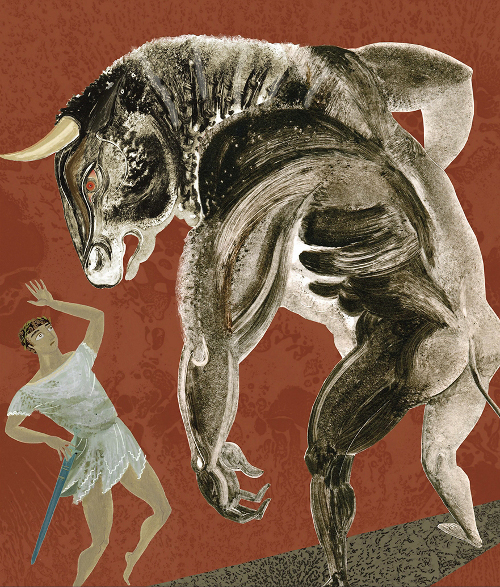
 What’s that? You’re wondering about the picture above, though? It’s a bit early, I know, to be featuring some spreads from a picture book scheduled to be released in August of this year. I know, I know, dear readers. I’m all over the place, seeing as how on Sunday
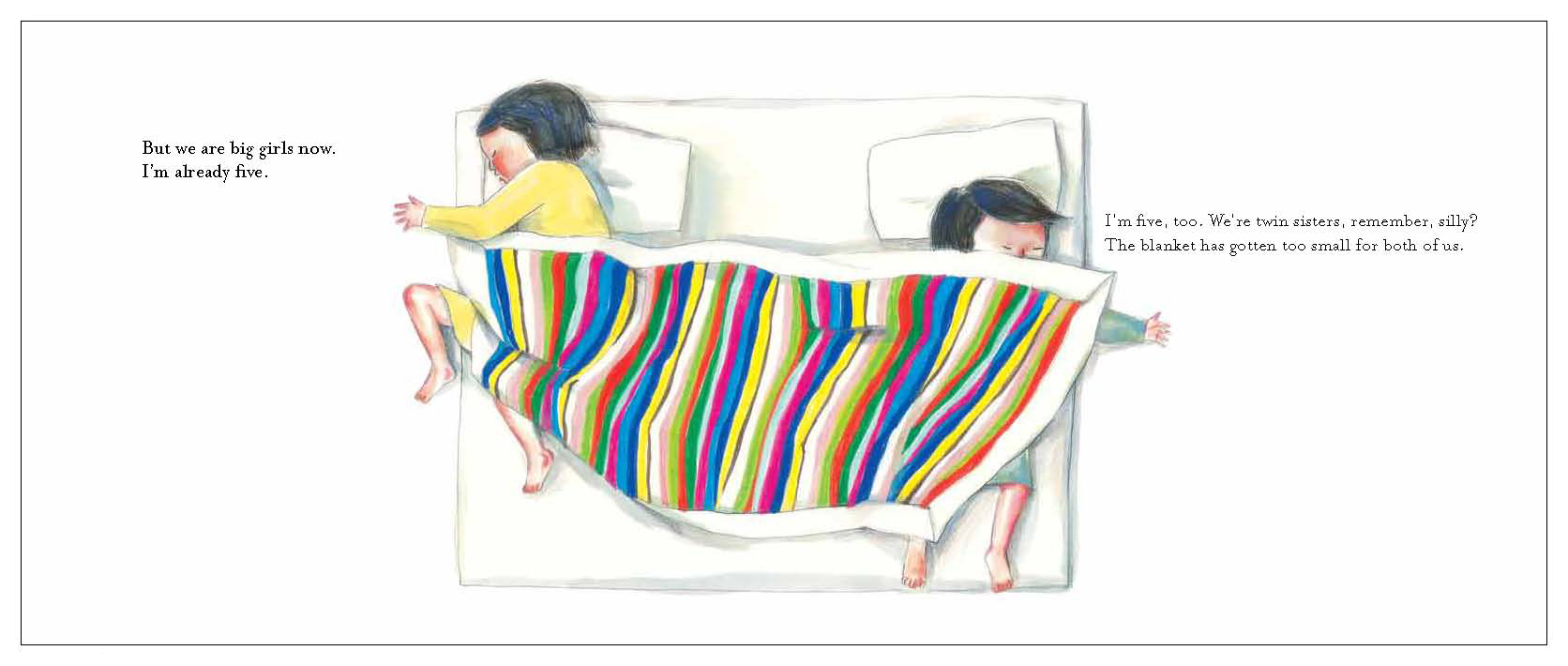
 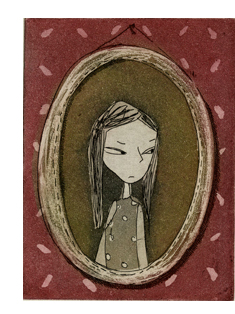 Her upcoming 2011 title, The Twins’ Blanket, featured above (and more below)—which addresses the emotional highs and lows (competition, envy, undeniable bond) of twin-dom—goes to show that she’s continuing her streak of creating books that, in the words (again) of Publishers Weekly, offer us insight into the perceptions of small children. Typically using linoleum block prints, her illustrations are fascinating, depicting both the joy and the darker side of those mysterious things that are the inner worlds of children. Booklist also wrote about her debut title that the absence of text gave kids “room to think,” especially considering the “depth and emotion” she conveyed through the art. You see, I LOVE THAT. I want my life’s music, art, and books—all of it, thanks very much—to give me space to breathe and think. And any children’s book that does that for the wee ones, too, is a good one, in my book. And, really, how often do we see that in picture books? Think about it. Talk amongst yourselves. And get back to me, if you’re so inclined, and we’ll discuss.
  Well, there are two reasons I’m primarily just going to show you some illustrations today (more art is after the jump), yet not say too terribly much about the book from which they come,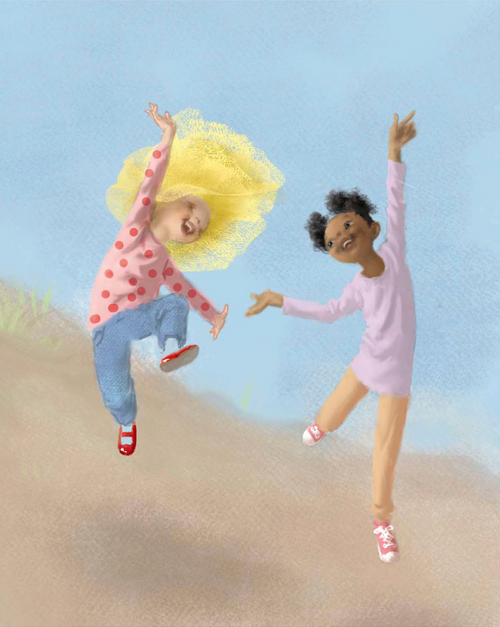
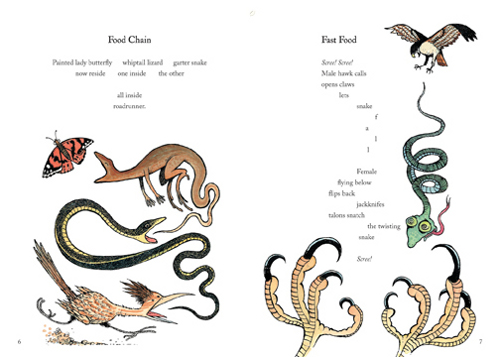
 Last February here at 7-Imp,