What I’m Doing at Kirkus This Week,
Plus What I Did Last Week, Featuring
Marie-Louise Gay, Peter McCarty, & Viviane Schwarz
 Friday, March 25th, 2016
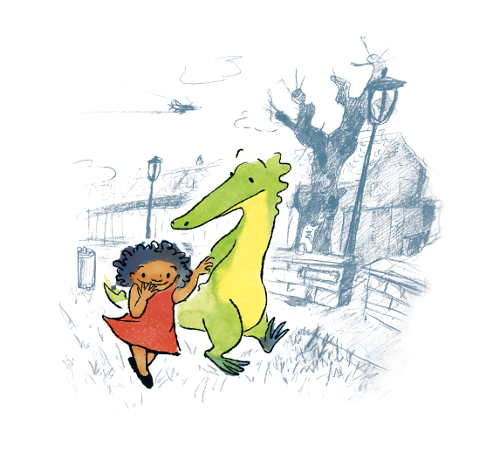
‘That would be dangerous and difficult,’ said Crocodile.
‘Good!’ said Anna. ‘Let’s go!'”
— From How to Find Gold

They really are best friends.”
— From Tiger and Badger
(Click to enlarge spread)
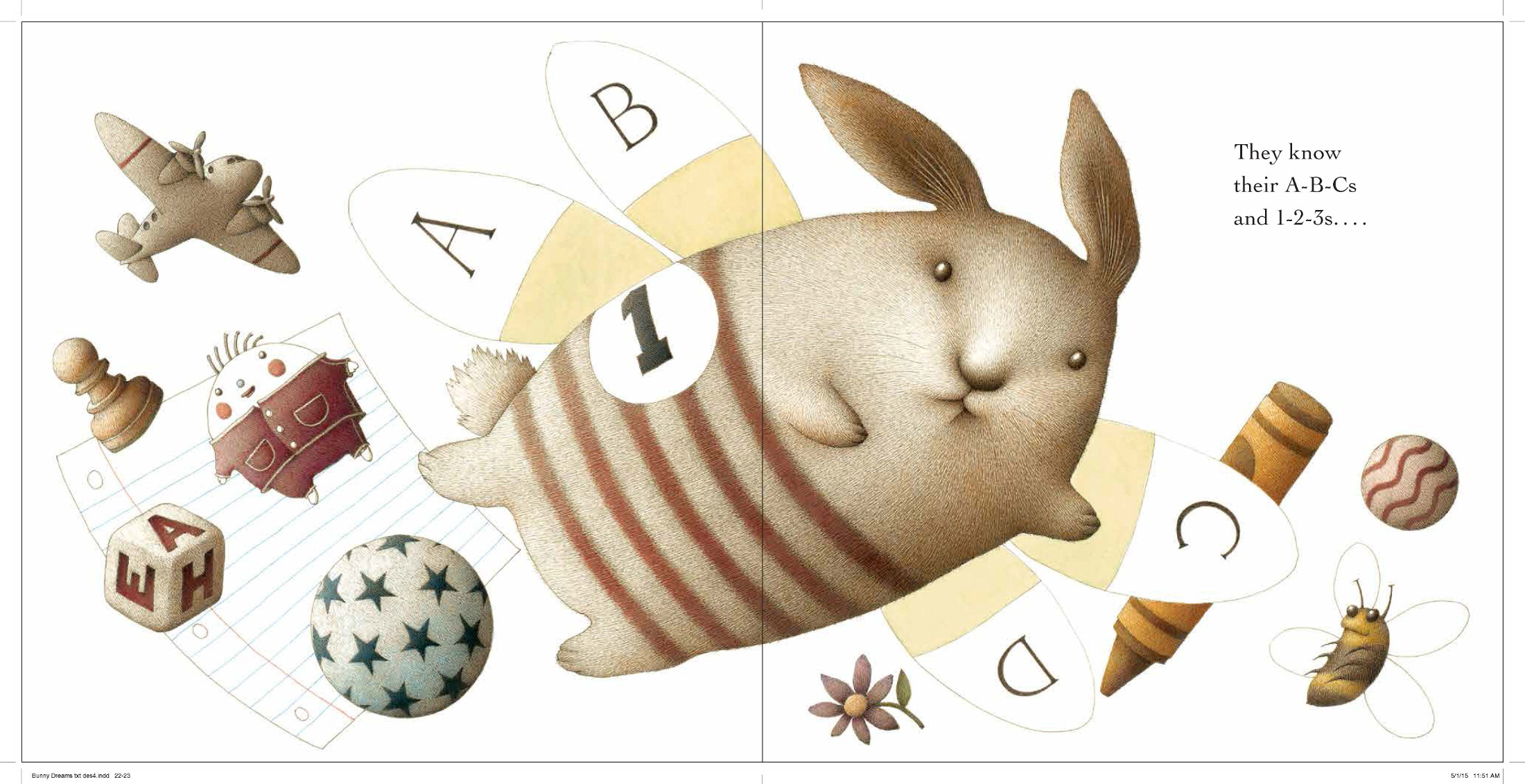
— From Bunny Dreams
(Click to enlarge spread)
Today at Kirkus, I’ve got some thoughts on Jo Ellen Bogart’s beautiful The White Cat and the Monk (Groundwood, March 2016), illustrated by Sydney Smith. That is here today.
Last week, I wrote here about three picture books — Viviane Schwarz’s How to Find Gold (Candlewick, March 2016); Emily Jenkins’ Tiger and Badger, illustrated by Marie-Louise Gay (Candlewick, February 2016); and Peter McCarty’s Bunny Dreams (Henry Holt, January 2016). Below is a bit more art from each one.
(Sorry about the gutter lines in the McCarty art. Just pretend it’s not there!)
Enjoy!
 Next month will see the U.S. publication of a book called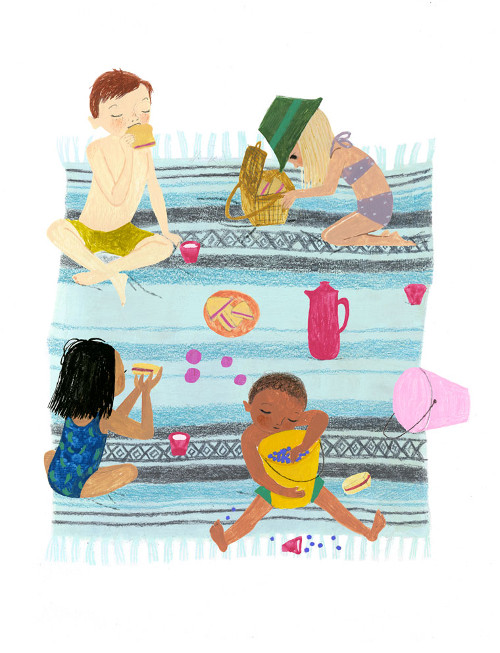
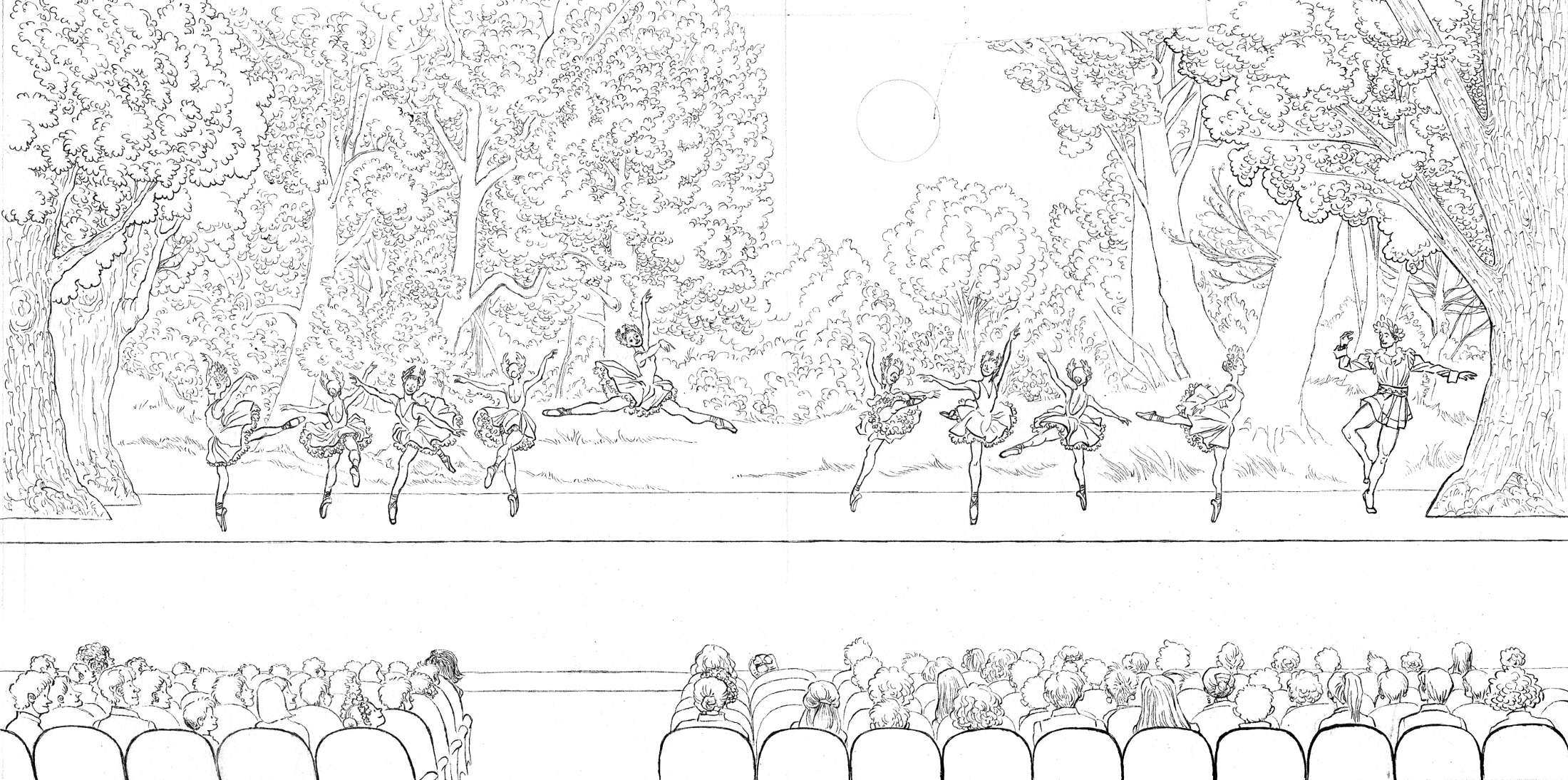
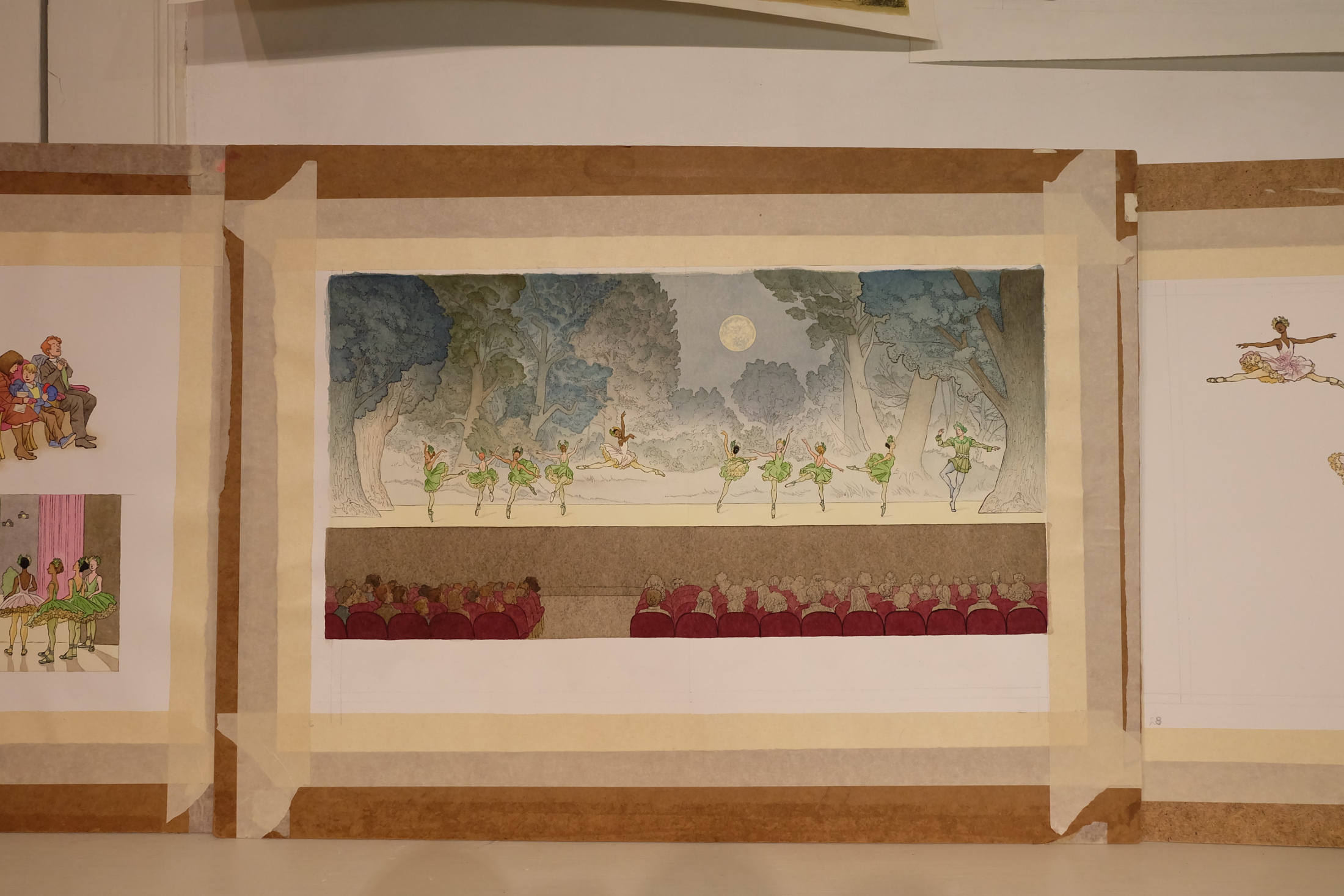
 “When my sister was in college near Minneapolis, she took me to see the Alvin Ailey Dance Theater. This was the first professional dance performance I’d ever seen. I was hesitant and had no idea what to expect. The magnificent Judith Jamison was the featured dance soloist. She dominated the stage, creating shapes and patterns. Judith performed the solo dance — Cry, a 15-minute homage to black women, choreographed by Alvin Ailey for his mother and for Judith. Judith expressed grief, loss, redemption, and joy as eloquently as any novelist. I loved dance from that moment on. I’d wanted to make a book honoring my sister and her love of dance for a long time. And that profound first introduction to dance has left a fascination with Judith Jamison and her artistry.”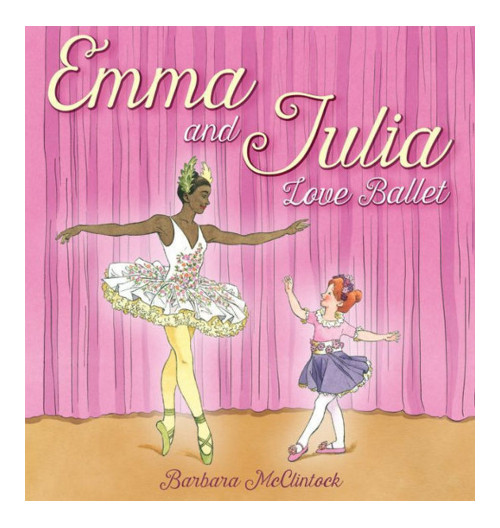
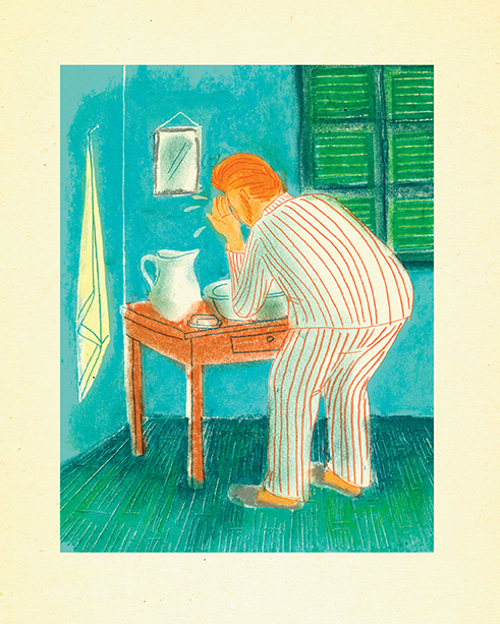
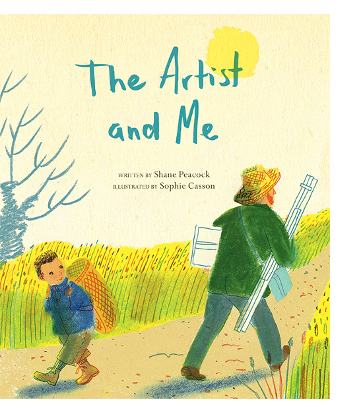 The narrator here, we learn as the story progresses, is an older adult looking back on his childhood. He remembers tormenting the local “crazy man” with “wild red hair,” Vincent Van Gogh. The boy, and everyone he knew, mocked the penniless artist. The man recalls the taunts and how and why they targeted him. He recalls how he’d always teased him in a crowd (“since that is what cowards do”). He remembers the artist saying, “I must tell the truth,” yet telling himself that the man was merely crazy. Sometimes, the man recalls, he’d watch Van Gogh work, quietly and when no one else was around. In truth, he possessed a fascination for his artwork and the artist’s maverick spirit. Towards the close of the book, he recalls how he once snuck right up behind the artist as he painted a wheat field. (Wheat Field with Crows is, indeed, believed to be Van Gogh’s last painting.) The boy was amazed and “terrified. My knees went weak. … And for an instant the world was bigger and brighter than it had ever been.” Van Gogh turned to him and offered him his painting, but the boy ran.
 Okay, you all. Before Spring officially gets here, I must take some time to tell you about Yuki Kaneko’s
 Do you remember reading